
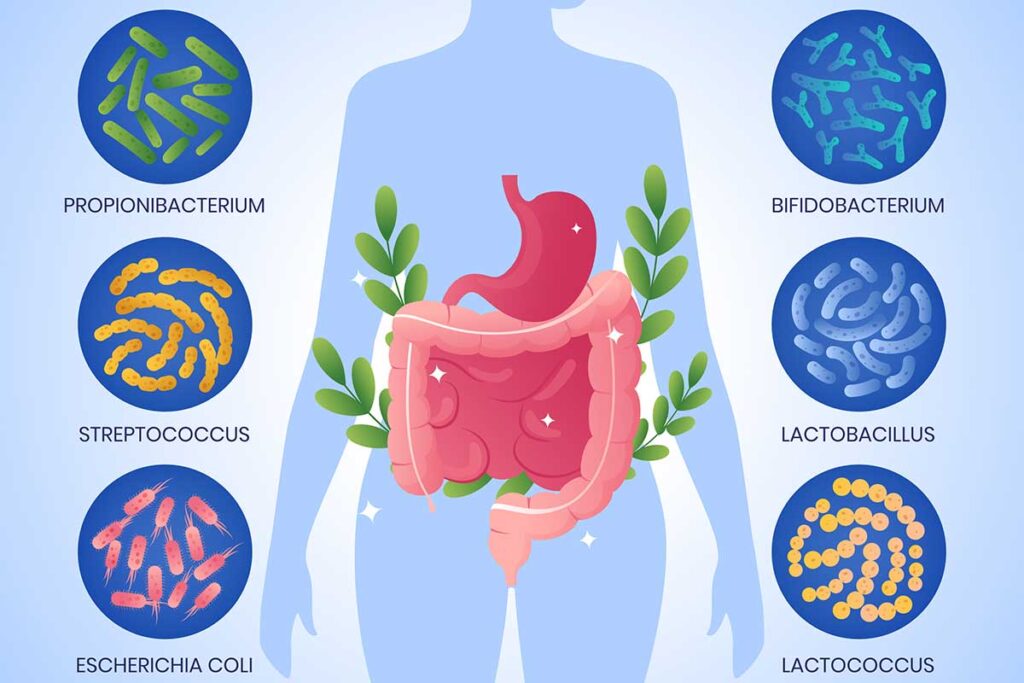
The intricate ecosystem of microorganisms in the gut, known as gut flora or microbiome, comprises bacteria, viruses, fungi, archaea, and helminths. This “forgotten organ” plays a pivotal role in health, influencing metabolic activities, manufacturing essential vitamins, and maintaining gut wall integrity. The gut flora’s balance is crucial, as imbalances are linked to diseases such as obesity, diabetes, heart disease, and mental health disorders. Probiotics and prebiotic fibers contribute to restoring this balance, supporting optimal gut function.
Probiotics and Digestive Health
Probiotics, encompassing various microorganisms like bacteria and yeasts, show promise in alleviating digestive issues. Antibiotic-associated diarrhea and irritable bowel syndrome (IBS) symptoms may be mitigated with probiotic supplementation. While multi-strain probiotics appear beneficial, further research is needed to establish specific strains, dosages, and durations for optimal treatment. Probiotics may also combat inflammatory bowel diseases and Helicobacter pylori infections, contributing to improved digestive well-being.
Probiotics and Weight Management
Emerging research suggests a connection between gut bacteria and obesity, indicating a potential role for probiotics in weight management. Certain strains, like Lactobacillus gasseri, Lactobacillus rhamnosus, and Bifidobacterium lactis, exhibit promise in aiding weight loss. However, caution is urged due to existing uncertainties surrounding specific strains, dosages, and long-term effects. Probiotics might play a supportive role in weight management, but comprehensive research is ongoing.
The Rise of Psychobiotics
The evolving field of psychobiotics explores the gut-brain axis, highlighting the impact of gut microbes on neurological health. Certain probiotics, termed psychobiotics, exhibit potential in treating cognitive and neurological disorders, including autism, Alzheimer’s, and Parkinson’s disease. Early research indicates a promising link between gut health and mental well-being, with probiotic supplementation as a potential avenue for managing mental health conditions.
Diverse Health Benefits of Probiotics
Beyond digestive and neurological benefits, probiotics demonstrate a spectrum of health advantages. These include reducing inflammation, alleviating depression and anxiety symptoms, lowering cholesterol, modestly reducing blood pressure, enhancing immune function, promoting skin health, and potentially contributing to anti-aging effects. Ongoing studies unveil a broad range of potential health benefits associated with probiotics.
Exploring Probiotics in the Context of COVID-19
Current research explores the potential of probiotics in managing COVID-19 infections. The gut microbiome’s influence on the immune system raises speculation that probiotics might aid recovery by modulating the immune response. Additionally, the gut-lung axis suggests a potential link between gut health and respiratory infections. While hypotheses are intriguing, further clinical trials and data are essential to validate these claims.
Safety Considerations and Research Challenges
Probiotics are generally safe, yet caution is advised when selecting products due to varying regulations and quality standards. Side effects are typically mild and transient, but individuals with compromised immune systems should consult healthcare providers. Challenges in probiotic research include identifying the vast array of gut microbes, standardizing research methodologies, and translating findings into clear therapeutic recommendations. Ongoing efforts seek to overcome these challenges and harness the full potential of probiotics for human health.
Holistic Gut Health: Beyond Probiotic Supplements
Maintaining a healthy gut involves more than probiotic supplements. Daily lifestyle choices, including diet and exercise, significantly impact gut bacteria. While probiotics offer numerous benefits, they are most effective as part of a comprehensive approach to gut health. Consulting healthcare providers for personalized advice, using reputable products, and incorporating gradual changes ensure a balanced and sustainable approach to promoting gut well-being.