
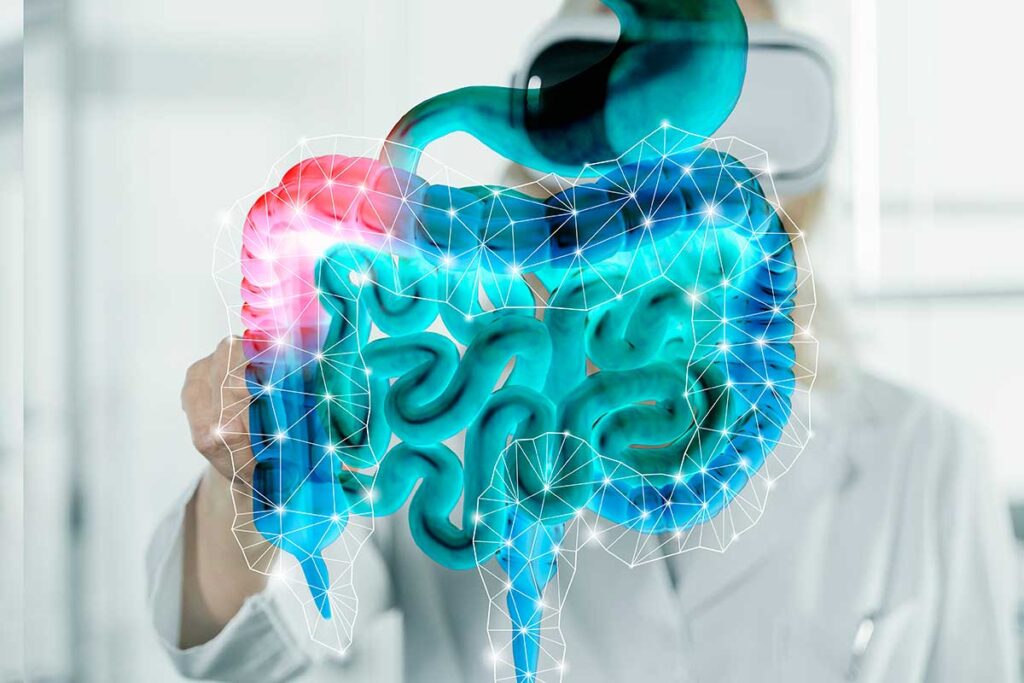
Optimal digestion is crucial for the body to extract nutrients and energy from food. Certain foods contribute to this process, aiding different stages from the stomach to the intestines. However, sudden dietary changes can lead to digestive issues such as bloating, gas, constipation, diarrhea, nausea, vomiting, and heartburn.
Foods That Support Digestion:
Fiber-Rich Foods: Essential for digestive health, soluble fibre from sources like oatmeal, apples, and bananas aids in bowel movement. Gradually increase fibre intake to avoid digestive discomfort.
Ginger: Known for reducing bloating and digestive problems, ginger can be added to meals as a dried powder or used to make tea. Fresh ginger root is preferable for tea.
Unsaturated Fats: These fats assist in vitamin absorption and encourage bowel movements. Olive oil, a source of unsaturated fats, is beneficial when consumed in moderation.
Vegetables: Vegetables rich in fiber, stimulate bowel movements. Potatoes, beans, and legumes are examples of vegetables that can aid digestion.
Fruits: Many fruits, including apples, oranges, and bananas, are not only rich in fibre but also provide essential vitamins and minerals for digestion.
Whole-Grain Foods: High in fiber, whole grains like brown rice are digested slowly, helping control blood sugar levels.
Yogurt and curd: These dairy products contain probiotics, live bacteria and yeasts that can benefit the digestive system and promote gut health.
Leafy Green Vegetables: Packed with nutrients, leafy greens may contain sulfoquinovose, a sugar that supports healthy bacteria in the stomach, aiding digestion.
Foods to Avoid:
Artificial Sweeteners: Sugar alcohols can increase the risk of bloating and other digestive issues.
Carbonated Beverages and Sugary Drinks: These can contribute to bloating and heartburn.
Refined Carbohydrates: White bread falls into this category and may not be as helpful for digestion.
Alcohol and Caffeine: These can cause digestive discomfort and should be avoided.
Saturated Fats: Foods like cheese and cream may contribute to digestive issues.
Spicy and Greasy Foods: Some individuals may experience digestive discomfort with these types of foods.
Digestive Habits:
Eating Pace: Avoid eating too fast, as it can hamper digestion.
Meal Size: Opt for several small meals instead of one large meal for enhanced digestion.
Posture After Eating: Refrain from lying down immediately after eating.
Individual digestive systems vary, and keeping a food diary can help identify trigger foods for those with intolerances or allergies. If issues persist, seeking advice from a doctor is advisable, as underlying medical conditions may be affecting digestion, such as irritable bowel syndrome.